Elevation Effects on Soccer Scoring in Mountainous Stadiums
Written by Freya Müller · Aug 1, 2026
Elevation Effects on Soccer Scoring in Mountainous Stadiums
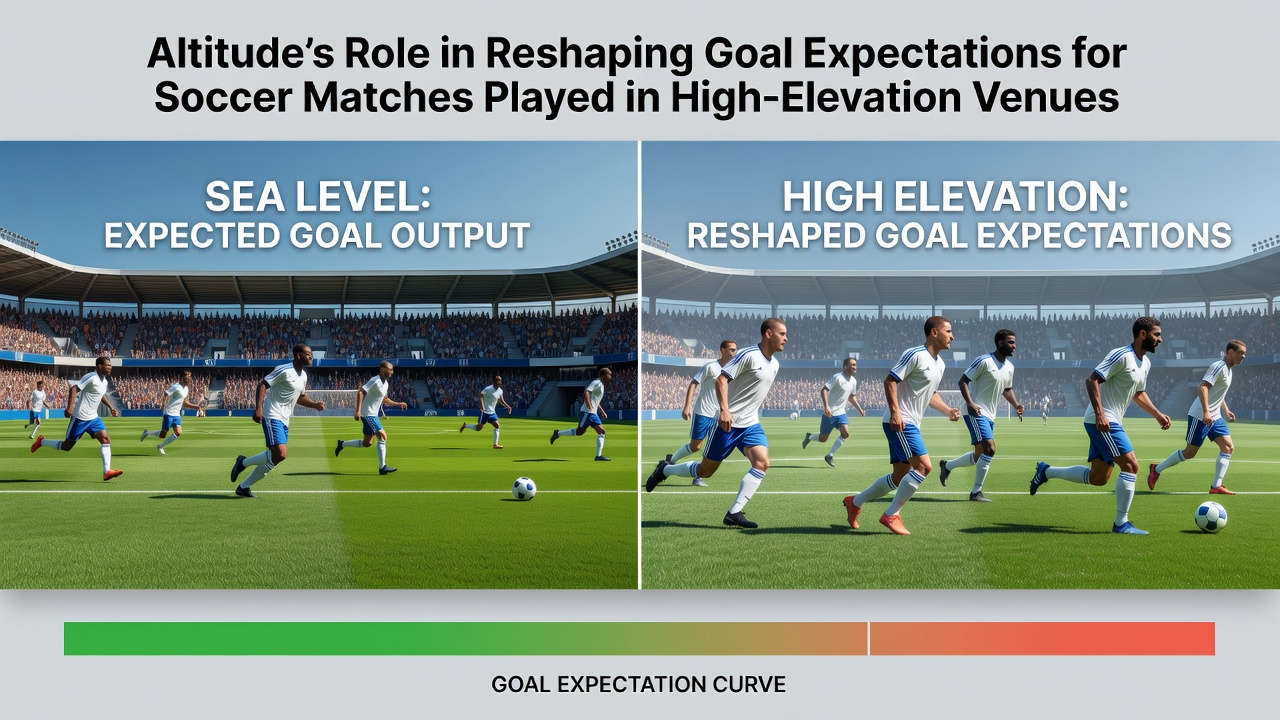
High-elevation venues present unique physical conditions that alter how soccer matches unfold, particularly when it comes to goal production and team strategies. Stadiums situated above 2,000 meters see reduced air density which affects ball trajectory and player endurance in measurable ways, and researchers have documented these patterns across multiple leagues and international competitions over the years.
Physical Conditions at Altitude
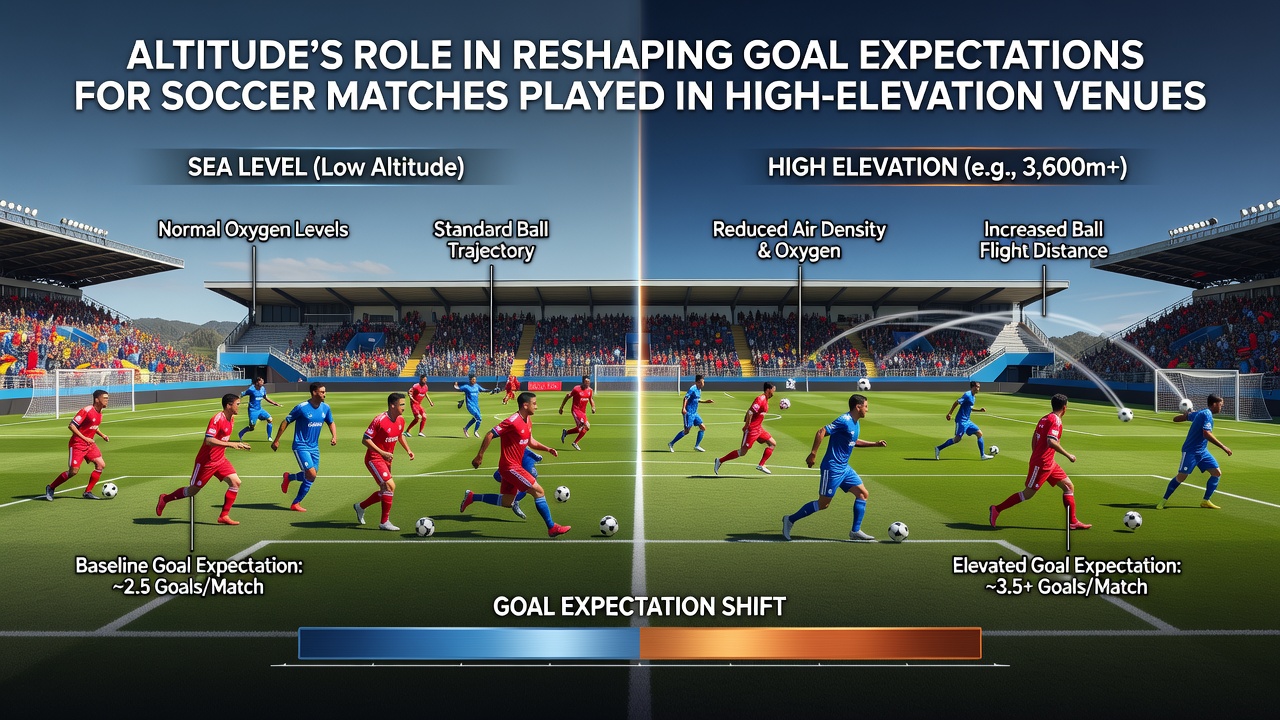
Air pressure drops significantly as elevation increases, and this change influences the flight of the soccer ball because reduced drag allows it to travel farther and faster when struck with the same force. Players experience lower oxygen availability which leads to quicker fatigue during high-intensity efforts, and studies from sports science teams in South America have tracked heart rate spikes and recovery times in matches held at sites like La Paz or Quito. Data from CONMEBOL fixtures shows that teams accustomed to sea-level training often adjust their pressing intensity earlier in games to conserve energy for later periods.
Scoring Patterns Across Seasons
Statistical reviews of domestic leagues in Bolivia and Peru reveal that average goals per game fluctuate based on home team adaptation levels, with visiting sides posting lower conversion rates in the opening 30 minutes before physiological adjustments occur. One analysis covering matches from 2018 through 2025 indicated that total goals dipped by roughly 12 percent in venues exceeding 2,500 meters compared to lowland equivalents, though long-range attempts rose due to the extended ball carry. August 2026 schedules for regional qualifiers already factor these variables into preparation protocols according to federation reports.
Team Adaptation Strategies
Coaches prepare differently when traveling to elevated locations, and many incorporate pre-match acclimatization periods of several days to mitigate oxygen debt effects. Training regimens emphasize shorter bursts of activity and modified hydration plans, while medical staff monitor blood oxygen saturation levels throughout the fixture. Observers note that squads with prior experience at altitude maintain higher possession statistics in the second half, whereas less prepared opponents see pass completion rates decline as fatigue sets in.
Ball Dynamics and Tactical Shifts
Thinner air changes how goalkeepers and defenders position themselves because shots and crosses arrive with greater speed and less predictable swerve. Midfielders often favor direct passes over intricate build-up play since the ball covers distance more readily, and this adjustment appears in video analysis from multiple highland derbies. Researchers at institutions in Mexico have quantified these flight variations through controlled testing, confirming that a standard strike travels up to 10 percent farther under equivalent force at 3,000 meters.
League-Wide Data Trends
Compilations from national federations in Andean countries demonstrate consistent differences in match outcomes when elevation exceeds certain thresholds, and these figures guide scheduling decisions to balance competitive equity. Visiting teams record fewer shots on target in the first half across sampled games, while home sides capitalize on localized knowledge of wind patterns and recovery zones. External factors such as temperature swings common in mountain regions compound these effects, leading analysts to review historical weather logs alongside performance metrics.
International bodies like FIFA have referenced altitude considerations in competition guidelines for upcoming events, and similar attention appears in reports from Australian sports institutes examining comparable conditions in other endurance sports. These sources highlight how preparation windows influence final scorelines without prescribing specific outcomes.
Conclusion
High-elevation soccer venues continue to shape match expectations through documented physical and tactical influences, and ongoing data collection from leagues in affected regions provides clearer benchmarks for future planning. Teams and analysts rely on these established patterns to refine approaches, while governing organizations incorporate findings into broader operational frameworks.