How Umpire Strike Zone Variations Shape Strikeout Totals in American League Night Games
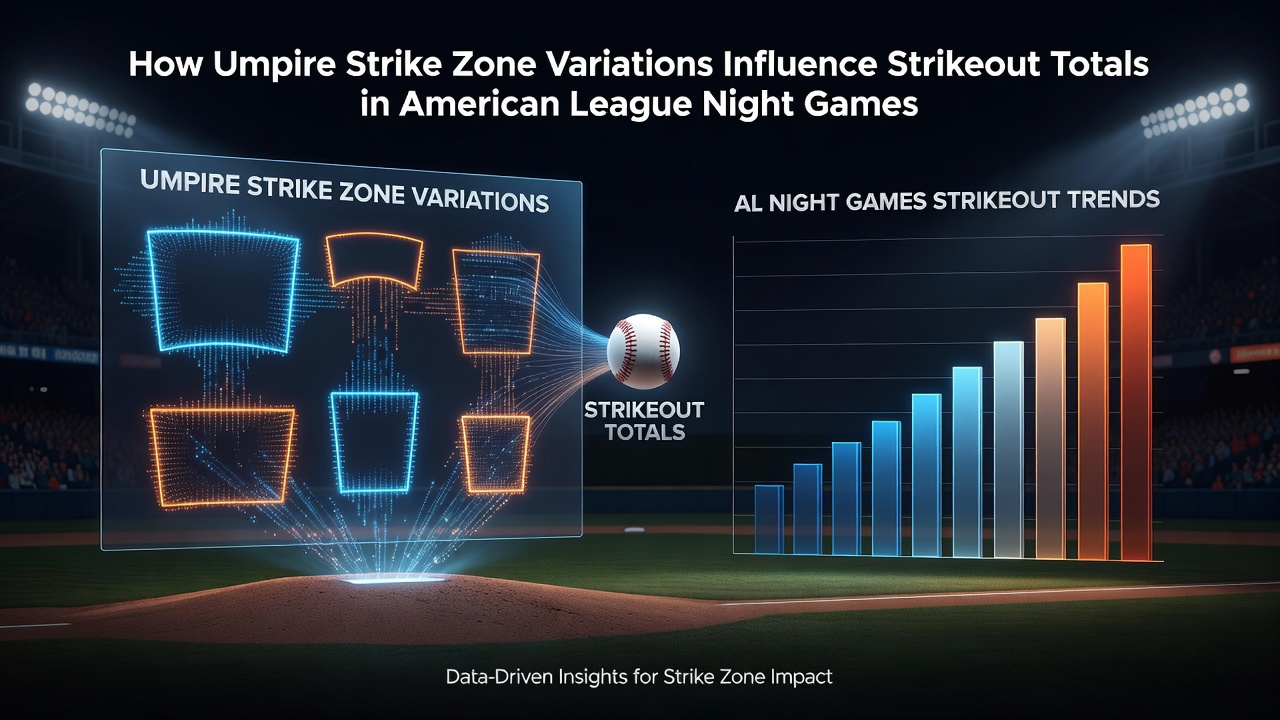
Strike zone variations among umpires create measurable shifts in strikeout totals during American League night contests, where consistent data collection reveals patterns tied to individual officiating tendencies and environmental conditions. Researchers tracking pitch tracking systems have documented how these differences accumulate over multiple innings and influence batter outcomes in games played after sunset.
Strike Zone Fundamentals and Umpire Differences
Official rules define the strike zone as the area over home plate from the midpoint between the top of the shoulders and the top of the uniform pants to the hollow beneath the kneecap, yet each umpire applies this framework with slight deviations that accumulate into statistically significant outcomes. Data from pitch tracking technology shows that some officials expand the zone vertically by several inches while others maintain tighter horizontal boundaries, and these adjustments alter the probability that borderline pitches register as strikes. Observers note that such variations become particularly evident in American League venues during evening matchups, when shadows and artificial illumination can compound the challenge of consistent calls.
Studies from academic institutions in the United States and Canada have quantified these differences across hundreds of games, finding that umpires with larger effective zones correlate with higher strikeout rates for both starting pitchers and relievers. The patterns emerge because hitters adjust their approach mid-at-bat, swinging more aggressively or laying off pitches they perceive as marginal based on the umpire's established tendencies earlier in the contest.
Night Game Conditions and Their Role
American League night games introduce additional variables including stadium lighting quality, temperature drops after dusk, and player fatigue that interact with umpire behavior. Research indicates that zones can shift slightly as games progress past the sixth inning, with some officials becoming more generous on low pitches while others tighten the upper boundary. These changes coincide with increased strikeout totals in specific ballparks where data sets from multiple seasons demonstrate repeatable trends tied to the combination of night conditions and the assigned crew.
League-wide figures from June 2026 continue to reflect these dynamics, with night contests averaging modestly elevated strikeout rates compared to day games when controlling for starting pitcher quality and opposing lineups. The differences trace back to how umpires process visual information under mixed lighting, where researchers have recorded subtle expansions or contractions that affect called third strikes at higher frequencies than in daylight.
Statistical Evidence Across Seasons
Comprehensive analysis of American League data reveals that umpires with historically wider zones produce strikeout totals approximately 0.8 to 1.2 per game higher than those with narrower interpretations, according to aggregated pitch-level records maintained by industry organizations. Pitchers who rely on breaking balls benefit disproportionately because those offerings often land near the edges where variation is most pronounced. Teams tracking these metrics adjust their game planning accordingly, selecting lineups and bullpen matchups that exploit known tendencies during evening series.
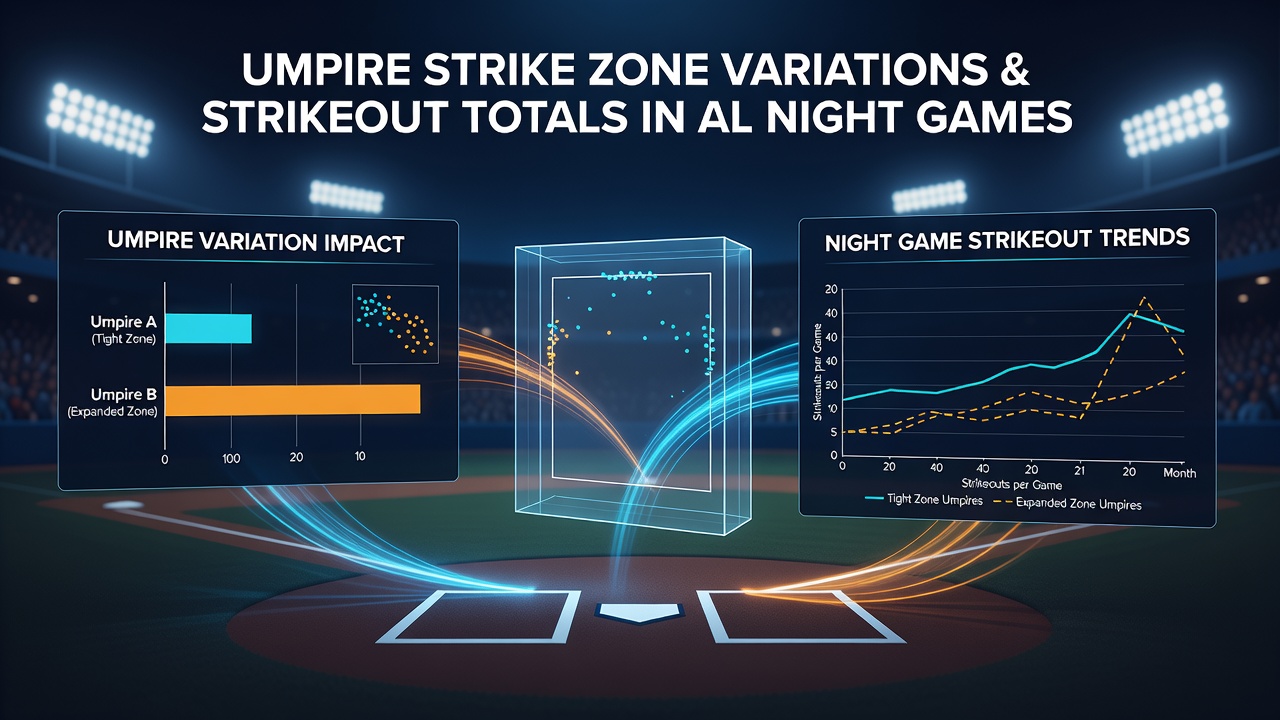
One study from a Canadian research institute examined over 2,500 night games across five seasons and identified clusters of umpires whose zone measurements produced consistent elevation in strikeout rates for power hitters facing off-speed pitches. The findings align with broader observations that night environments amplify these effects because reduced visibility prompts umpires to rely more on established muscle memory than real-time visual confirmation.
American League Specific Patterns
Within the American League, designated hitter rules and roster construction further interact with zone variations because lineups often feature more power-oriented bats that swing through marginal pitches. Data sets compiled through June 2026 show that certain umpiring crews assigned to night games in stadiums with distinctive lighting setups generate strikeout spikes that exceed league averages by measurable margins. These outcomes appear in both regular season and interleague play when American League teams host contests under the lights.
Teams and analysts cross-reference historical umpire assignments with projected game conditions to anticipate total strikeout benchmarks, and the resulting adjustments influence in-game strategy without altering the underlying rules. External reviews from academic sources confirm that the combination of night timing, AL roster profiles, and individual umpire profiles produces repeatable statistical signatures rather than random fluctuation.
Conclusion
Strike zone variations among umpires continue to exert a documented influence on strikeout totals in American League night games through measurable differences in zone application that interact with lighting, fatigue, and lineup construction. Ongoing data collection from multiple seasons, including records through June 2026, supports the conclusion that these factors combine to produce predictable shifts in outcomes when analyzed at scale. Researchers and industry analysts maintain detailed tracking systems that capture these dynamics for further study.