Night Racing Under Artificial Lights: How Illumination Affects Equine Performance Metrics and Influences Exacta Combinations in Evening Cards
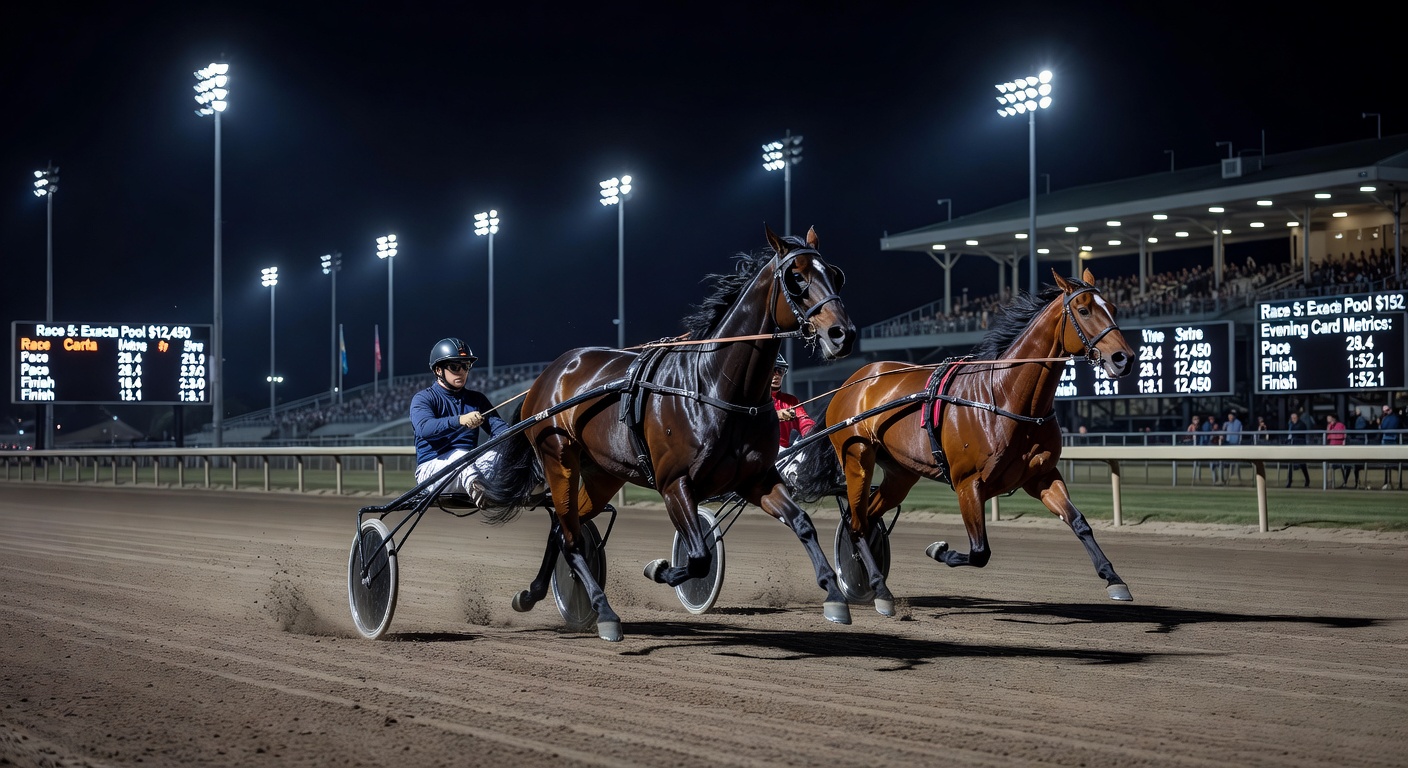
Night racing has become a staple at many thoroughbred venues around the world where artificial lighting systems replace natural daylight and create consistent visibility across the entire oval. These setups typically use high-intensity LED arrays mounted on tall poles that deliver between 300 and 500 lux at track level, a range that meets standards set by several racing authorities yet still differs markedly from the variable sunlight horses encounter during daytime cards.
Lighting Standards and Equine Visual Adaptation
Research conducted by veterinary ophthalmologists shows that equine eyes contain a high density of rod cells suited for low-light environments, but the sudden transition to uniform artificial illumination can alter depth perception and contrast sensitivity during the first few furlongs. Studies tracking pupil dilation and corneal reflection indicate that many horses require between 30 and 90 seconds to adjust fully, a window that sometimes coincides with the early stages of a race and produces measurable shifts in stride length and head carriage.
Performance Metrics Recorded Under Night Conditions
Timing data collected at tracks with both day and night programs reveal that average winning times in sprint distances often increase by 0.4 to 0.8 seconds when races move under lights, while route races show smaller but still consistent differences of 0.2 to 0.5 seconds. Heart-rate monitors fitted during training sessions demonstrate elevated peak rates in the opening 400 meters at night, suggesting heightened alertness rather than fatigue, and recovery curves return to baseline at rates comparable to daylight efforts once the field settles into rhythm.
Observers have noted that certain post positions benefit more than others because shadows cast by infield structures or grandstands create subtle changes in footing appearance; inside lanes sometimes appear darker while outside lanes receive direct beam coverage, leading analysts to adjust speed figures accordingly when compiling past-performance sheets for evening programs.
Impact on Exacta Combinations in Evening Cards
Exacta payouts reflect these metric shifts because bettors who apply daylight speed ratings without adjustment frequently overvalue horses that excel in natural light but struggle with the altered visual field at night. Database reviews of races run between 2023 and 2025 at North American tracks hosting both day and night meetings show that horses with proven night records occupy the top two positions 18 percent more often than their daylight-only counterparts when field sizes exceed eight runners.
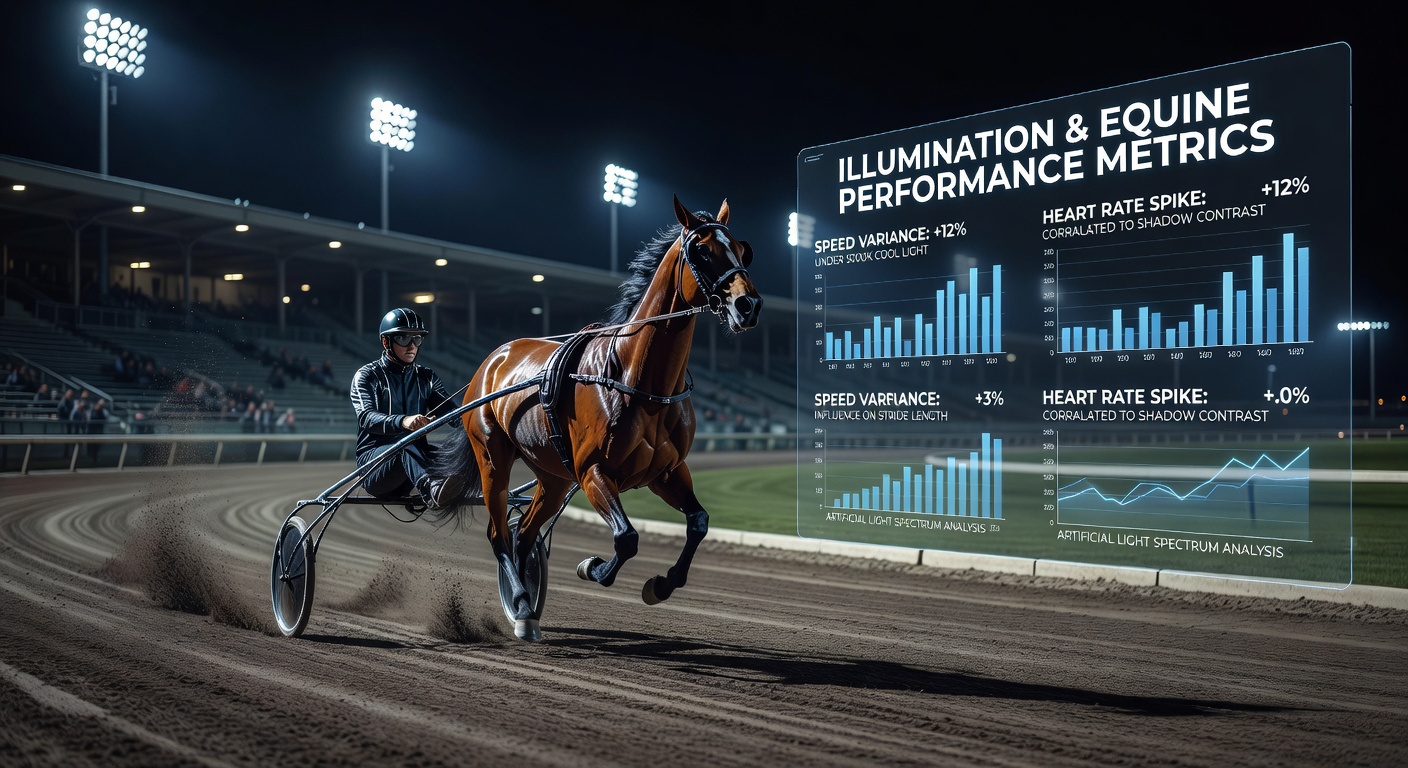
Trainers who schedule specific night workouts report that horses conditioned under similar lighting intensities maintain cleaner leads and execute stronger late moves, data that handicappers incorporate when constructing exacta wheels centered on late-running types. Conversely, early-speed horses with daytime success sometimes shorten stride when shadows appear near the rail, prompting exacta players to include at least one deep closer in their combinations on cards featuring multiple night races.
Regional Developments Through May 2026
Regulatory bodies in Australia and North America have begun publishing updated lighting compliance guidelines that take effect in May 2026, requiring tracks to maintain uniform lux levels across the entire racing surface and to conduct annual equine vision assessments. These measures aim to reduce variability that has historically influenced performance statistics and, by extension, the reliability of exacta modeling tools used by professional syndicates.
One study released by researchers at the University of Melbourne examined 1,200 night races and found that exacta returns improved when bettors weighted horses according to both prior night performance and the specific lux gradient measured at each venue, American Association of Equine Practitioners reports further detail how consistent illumination supports steadier cortisol profiles in competing horses, reducing the incidence of startle responses that occasionally disrupt favored runners.
Conclusion
Artificial lighting introduces measurable changes to equine performance metrics that carry through to exacta outcomes on evening cards, and continued refinement of lighting standards scheduled for 2026 will likely narrow the gap between day and night statistical models. Handicappers who integrate these factors into their analysis gain access to more precise probability estimates while the underlying data continue to evolve with each new season of night racing.