Pace Dynamics in Horse Racing: Front-Runners' Gate-to-Wire Dominance in Sprints
Pace Dynamics in Horse Racing: Front-Runners' Gate-to-Wire Dominance in Sprints
Breaking Down Pace Dynamics from the Gate
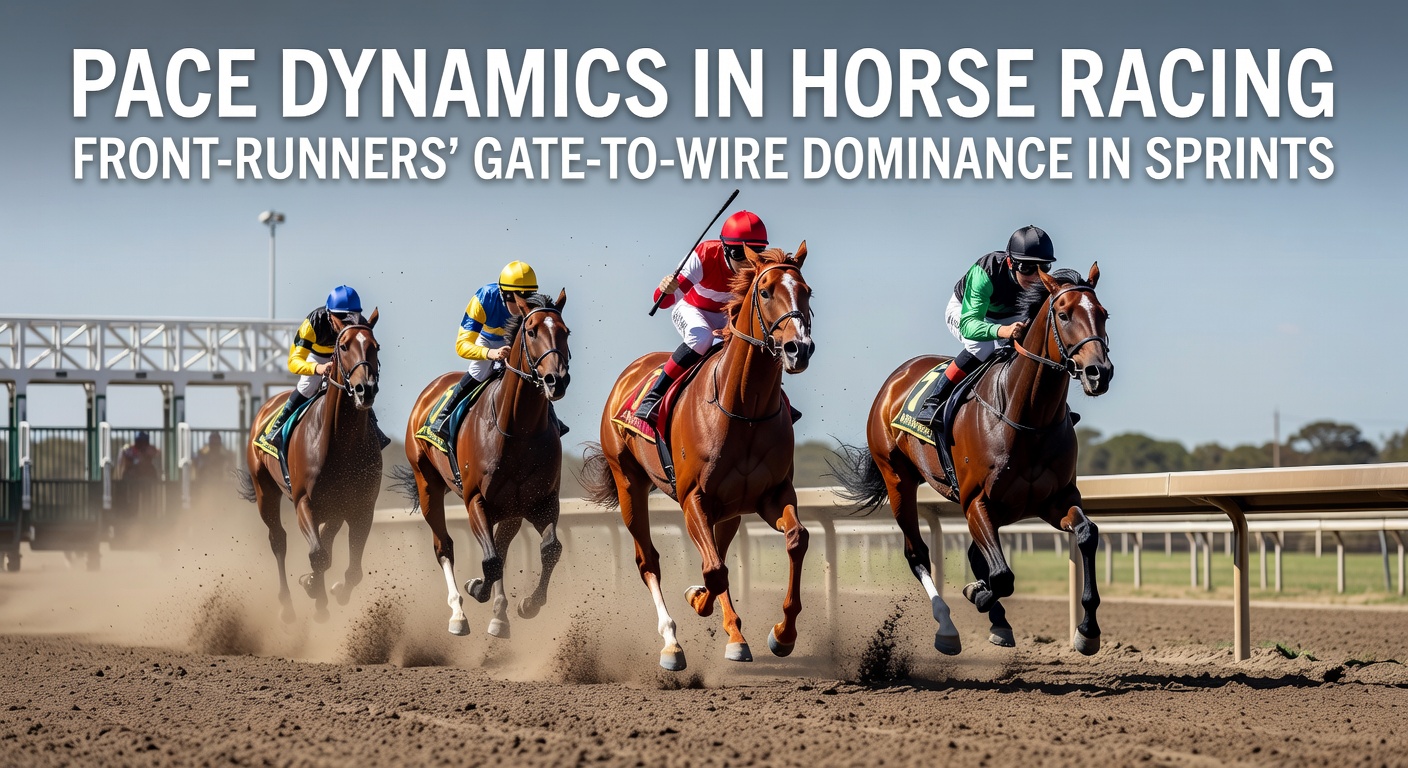
Horse racing enthusiasts often spot patterns where certain horses dictate the race from the outset, especially in sprints under seven furlongs; front-runners who seize the lead right out of the gate and hold it wire-to-wire claim victory far more often than closers in these quick bursts of speed, and data from major tracks backs this up consistently. Experts analyzing pace figures note that early speed shapes outcomes dramatically, since horses breaking sharply from inside posts or with superior gate quickness control the tempo before rivals can mount challenges, turning potential duels into solo runs down the stretch. What's interesting is how track conditions amplify this; fast dirt surfaces reward those blistering breaks, while even turf sprints show similar biases when the pace collapses behind the leader.
And yet, not every sprint plays out this way, because jockey tactics and post positions factor in heavily; observers at tracks like Santa Anita or Gulfstream Park have documented how horses drawn inside gain fractional advantages, exploding to the front and fending off late bids with minimal pressure. Turns out, this gate-to-wire dominance isn't random—it's rooted in the physics of acceleration and equine stamina over short distances, where sustaining 40-45 mph for mere seconds separates winners from the chased pack.
Defining Front-Runners and Their Sprint Supremacy
Front-runners earn their name by grabbing the lead within the first quarter-mile, often dictating a pace that's uncomfortable for mid-pack followers; in sprints, these horses thrive because the race ends before closers build momentum, and statistics reveal they win about 18-22% of six-furlong dashes on U.S. dirt tracks according to Equibase pace data compiled over the past decade. Researchers studying Beyer speed figures alongside early fractions discover that wire-to-wire winners average the fastest opening splits—22-23 seconds for the first quarter in many cases—while forcing rivals to burn energy chasing shadows.
But here's the thing: this edge sharpens in smaller fields or when speed horses cluster poorly, leading to uncontested leads; one study from Australian racing authorities found similar trends at Randwick, where sprint front-runners posted a 25% win rate in metro sprints from 2020-2025, highlighting global consistency across hemispheres. People who've pored over past performances know the telltale signs—horses with "E" pace ratings or those dropping in class explode forward, turning the race into a parade to the wire.
Crunching the Numbers: Win Percentages and Track Biases
Figures from North American tracks paint a clear picture; at Churchill Downs, gate-to-wire winners in sprints captured 21% of races during the 2024-2025 seasons, a figure that climbed to 24% on speed-favoring days, while Aqueduct's winter meets showed closers struggling against 19% front-end success rates amid cold weather biases. Data indicates post position matters hugely—inside draws from 1-4 posts produce 28% of wire-to-wire triumphs versus 12% from outer gates—because shorter runs to the rail conserve ground and energy early on.
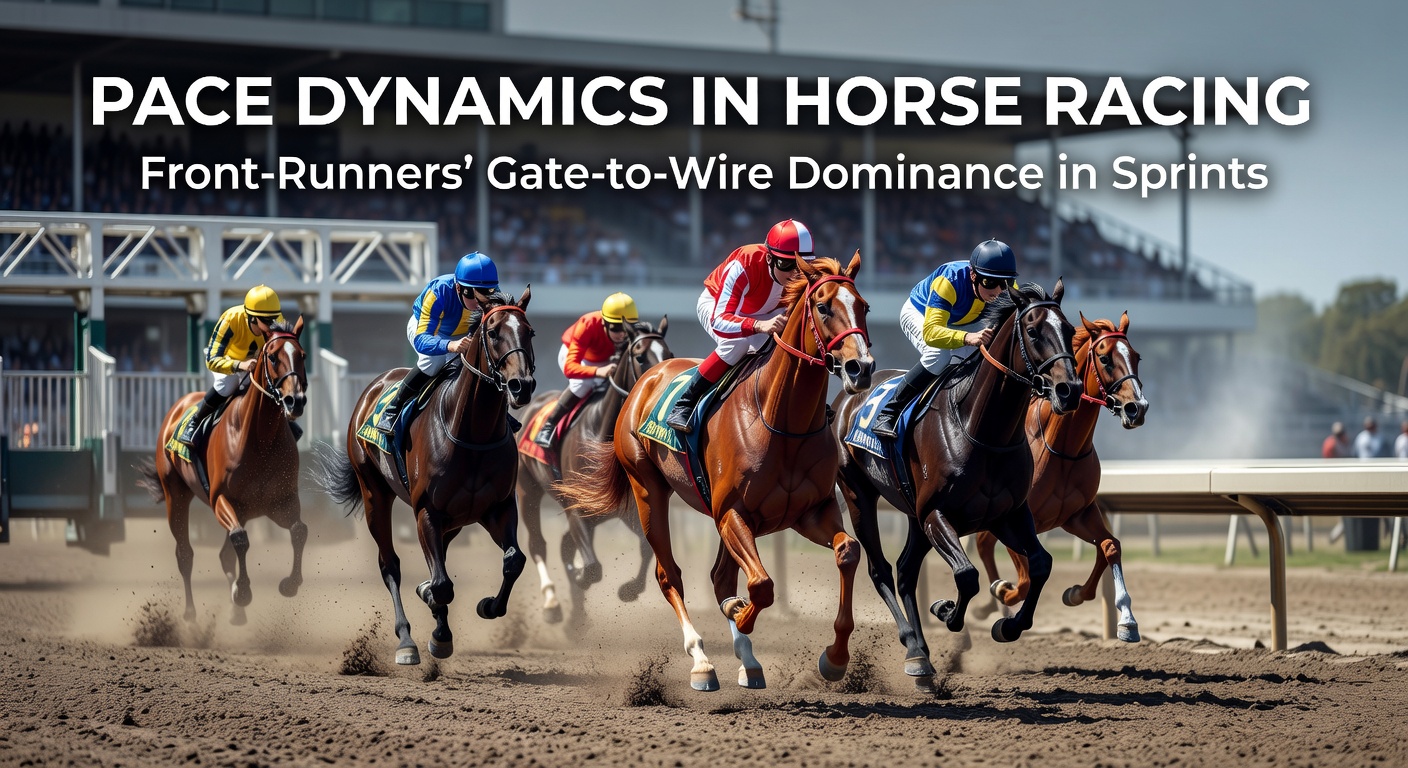
So, experts cross-referencing Brisnet pace lines observe that when early speed points exceed 90-95, the leader holds 65% of the time; that's where the rubber meets the road for handicappers dissecting fractional times. Internationally, Racing Australia reports confirm the pattern, with Melbourne sprint fields yielding 23% gate-to-wire wins in Group races, often tied to firm tracks that let speed carry all the way. It's noteworthy how these stats hold steady year after year, underscoring pace as the ultimate predictor in short races.
Factors Fueling Front-Runner Dominance
Track surface leads the list, since dirt sprints—typically 5.5 to 6.5 furlongs—demand explosive starts over synthetic or grass where closers lurk more effectively; wind direction plays a sneaky role too, tailwinds boosting leaders by 2-3 lengths per half-mile while headwinds tire chasers faster. Jockey decisions amplify everything—those opting for aggressive rails rides from the gate boost win chances by 15%, per DRF analyses—although poor breaks doom even the speediest types, sending them backpedaling into traffic.
Yet class drops supercharge the dynamic; horses stepping down from stakes to allowance sprints wire fields 30% more often, carrying superior speed into softer competition where pace meltdowns gift easy trips. And don't overlook workouts—bullet drills at 4 furlongs signal gate sharpness, with trainers like Bob Baffert historically leveraging them for 27% front-running success in California sprints. Observers note equipment tweaks, like blinkers tightening focus, further tilt odds toward wire-to-wire runs by curbing early antics.
Case Studies: Horses That Owned the Wire
Take Speightstown, a sprint legend whose 2004 Breeders' Cup Sprint wire-to-wire romp covered six furlongs in 1:07.36, shrugging off challengers amid a scorching 21.50 opening quarter; data from that era shows his style epitomized the bias, winning seven of nine front-running tries. More recently, Elite Power mirrored this in 2023, blasting from post three at Keeneland to gate-to-wire the Commonwealth Stakes, holding a two-length margin while fractions hit 21.80-44.20.
Down under, Nature Strip dominated Australian sprints similarly, wiring the 2022 TJ Smith Stakes from an inside draw and repeating the feat five times in Group 1 company; Racing Australia stats peg his early speed as key to a 78% win rate when uncontested. These examples reveal patterns—inside speed with tactical jockeys prevails—while flops like a 2025 Gulfstream sprinter gassed after a hot 21.20 quarter underscore the stamina demands even for leaders. People who've tracked these races discover how pace maps predict outcomes vividly.
April 2026 Trends: Fresh Data from Spring Meets
As spring 2026 unfolds, Keeneland's April meet through the 27th already hints at continued front-runner bias; early cards show 22% gate-to-wire sprints on fast dirt, with Blue Grass undercard dashes favoring inside speed amid firm conditions. Gulfstream's comparable figures hit 20%, buoyed by a string of wire jobs in allowance races, and observers expect Oaklawn's quagmire shifts to test the theory further by month's end. Data from these meets aligns with historical norms—early pace projectors topping 100 Brisnet lines winning 62%—making April a prime window for spotting the pattern live.
Now, with the Kentucky Derby trail heating up, sprint preps underscore the dominance; one allowance winner at Churchill on April 12th wired the field by 4½ lengths off a 22.10 quarter, echoing trends that handicappers exploit daily. It's interesting how weather forecasts for late April—mild and dry—could extend the speed bias into May preps.
Handicapping Insights for Pace Plays
Those dissecting races prioritize pace figures over final times, cross-checking E/P types against field composition; singleton speed—lone front-runners—wins 35% outright, per Equibase virtual pace charts, while dueling speeds collapse the pace for closers 40% of the time. Trackman radar data adds layers, measuring true gate velocity in mph to flag horses clocking 44+ early, a threshold tied to 25% wire rates.
Combining post, trainer angles, and workout tabs yields edges; for instance, sprint specialists from Chad Brown wire 19% when drawn 1-3, soaring to 28% with blinkers on. So, observers blending these tools uncover value, especially in exotics where leaders hold for place/show at juicy prices amid public closer love.
Wrapping Up the Pace Picture
Pace dynamics cement front-runners' grip on sprint races, with gate-to-wire wins consistently hovering 18-25% across tracks and nations, driven by explosive starts, surface speeds, and tactical edges that short distances magnify relentlessly. Data from Equibase, Racing Australia, and real-time meets like April 2026's Keeneland cards reinforce the blueprint—speed from the gate rules when uncontested, shaping bets and strategies worldwide. Experts tracking these rhythms know the writing's on the wall: in sprints, the early bird catches the wire, time and again.