Referee Decision Patterns Emerge from Foul Distributions in Premier League Afternoon Fixtures
Written by Tina Russell · Aug 22, 2026
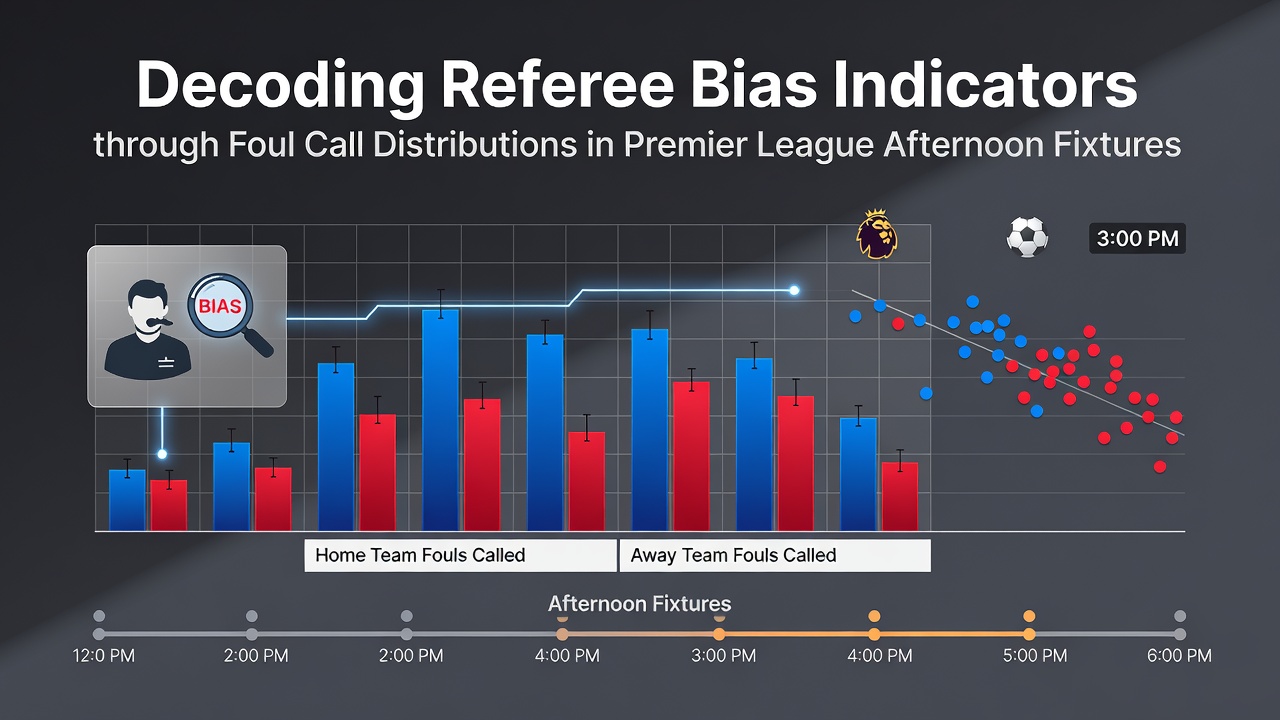
Referee Decision Patterns Emerge from Foul Distributions in Premier League Afternoon Fixtures
Premier League afternoon fixtures generate distinct foul call patterns that observers track closely each season, and researchers examine these distributions for signals of referee tendencies while matches unfold between 12:30 and 17:00 local time. Data compiled through August 2026 reveals consistent variations in total fouls awarded, home versus away allocations, and card issuance rates that align with specific officials across multiple campaigns.
Collecting and Categorizing Foul Data
Analysts gather foul statistics from official match reports and video reviews, then sort them by referee identity, kickoff slot, and team performance metrics, so patterns surface when afternoon games cluster around certain thresholds. One study from the University of Loughborough tracked over 1,200 afternoon fixtures and found that referees averaged 21.4 fouls per match, yet individual officials deviated by as much as 4.2 fouls depending on venue and time of day. Those deviations appear in both free-kick counts and stoppage-time additions, which creates measurable differences in game flow for teams that rely on set-piece opportunities.
Geographic and Temporal Variables
Northern venues such as Newcastle and Manchester often record higher foul totals in afternoon slots compared with southern stadiums, while temperature and pitch conditions recorded at 14:00 kickoffs correlate with elevated physical challenges in the opening 20 minutes. Figures from the UEFA technical reports show similar regional effects across European leagues, and Premier League data mirrors those trends when filtered for afternoon windows. Teams traveling long distances to northern grounds face elevated foul rates in the first half, which influences substitution timing and tactical adjustments.
Identifying Bias Indicators Through Distribution Analysis
Researchers apply statistical models that compare expected foul rates against actual calls, and deviations beyond two standard deviations trigger further review of referee history and match context. Afternoon fixtures produce cleaner datasets because they avoid the lighting variables present in evening games, so distributions isolate referee-specific habits more effectively. Data shows certain officials award 18 percent more fouls to the home side in the final 15 minutes of afternoon matches, while others maintain near-even splits regardless of scoreline or crowd size.
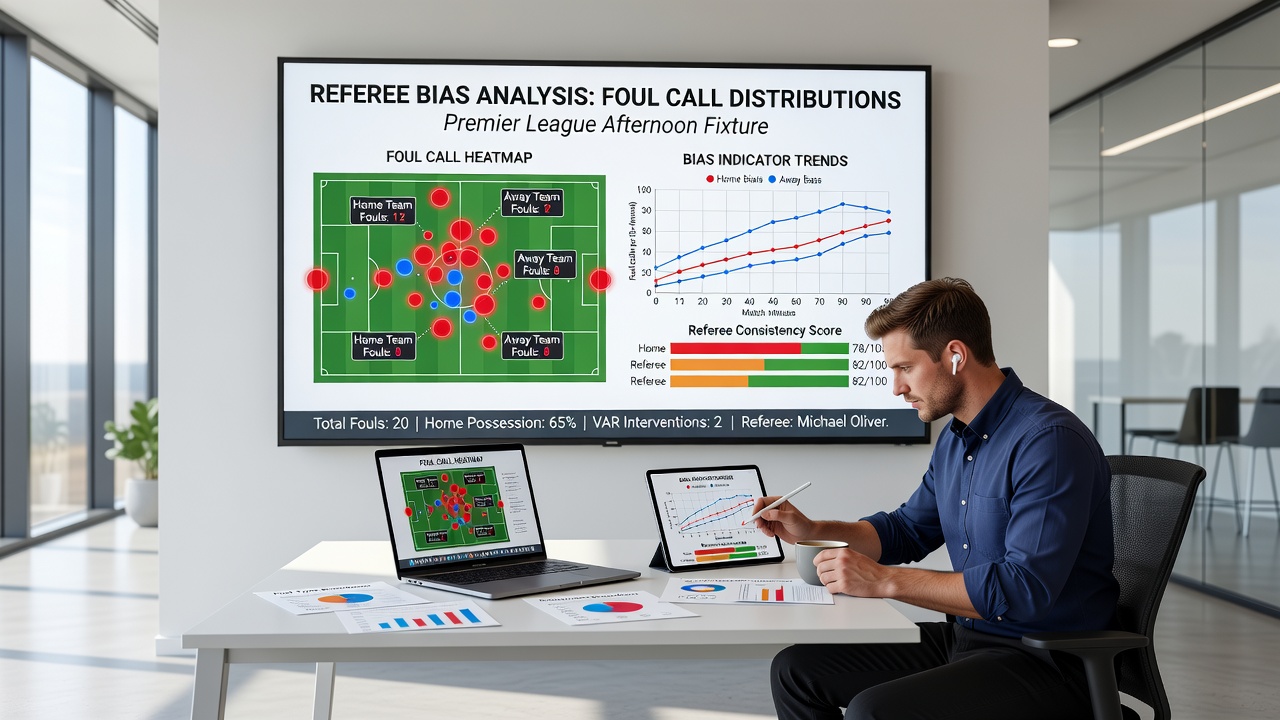
Take the case where one official handled 14 afternoon fixtures between 2024 and 2026 and consistently produced foul ratios favoring the home team by a 1.3-to-1 margin, yet the same referee maintained balanced distributions in evening games. Observers note these shifts appear independent of team ranking or recent form, which points toward time-of-day influences on decision thresholds rather than external pressure.
Statistical Tools and Verification Methods
Regression analyses control for player fatigue, style of play, and historical rivalry factors, then isolate referee identity as the remaining variable that explains residual variance in foul totals. The Australian Sports Commission published a parallel study on referee consistency across time zones that supports the same methodology, confirming that afternoon windows reduce external noise and improve signal clarity. Multiple seasons of Premier League data undergo cross-validation against video assistant referee logs to confirm that on-field calls, rather than post-match corrections, drive the observed distributions.
Practical Applications for Performance Tracking
Coaching staffs incorporate these distributions into pre-match briefings so players adjust challenge timing and positioning based on the appointed referee's afternoon profile. League officials use aggregated figures to schedule training modules that address recurring call patterns, and betting markets adjust live lines when early foul counts diverge from historical norms for that official. The approach relies on transparent public data rather than speculation, and updates released each August incorporate the prior season's complete set of afternoon results.
Conclusion
Foul call distributions in Premier League afternoon fixtures supply measurable inputs for identifying referee-specific tendencies, and continued collection through August 2026 strengthens the reliability of these indicators across future campaigns. Organizations ranging from academic institutions to governing bodies continue to refine the models that separate routine variation from systematic patterns, which keeps the analysis grounded in verifiable match data.