Senate Subcommittee Scrutinizes Sports Betting Practices During May 2026 Hearing

Senators on a key U.S. Senate subcommittee gathered on May 20, 2026 to question sports betting industry officials about cheating scandals, aggressive marketing tactics, and ongoing regulatory challenges that have emerged as the sector expands across multiple states. The session focused on preserving sports integrity amid allegations of game tampering in leagues such as MLB and UFC, while also examining how prediction markets like Kalshi and Polymarket might influence younger audiences and create friction with state sovereignty rules.
Integrity Concerns Take Center Stage
Lawmakers highlighted specific cases where tampering suspicions had surfaced in professional baseball and mixed martial arts events, prompting calls for stronger safeguards that would protect the fairness of competitions without disrupting the economic activity generated by legalized wagering. Industry representatives responded by outlining existing monitoring systems and cooperation agreements with leagues, yet senators pressed for clearer data on how those tools detect and deter manipulation before it affects outcomes or public trust.
Discussions turned next to marketing strategies that some lawmakers described as overly aggressive, particularly those targeting demographics that include college students and young adults who encounter promotions through mobile apps and social platforms. Officials from betting companies detailed their compliance efforts and age-verification protocols, while advocates noted that current approaches still leave gaps that allow promotional content to reach unintended viewers.
Prediction Markets and Youth Protection
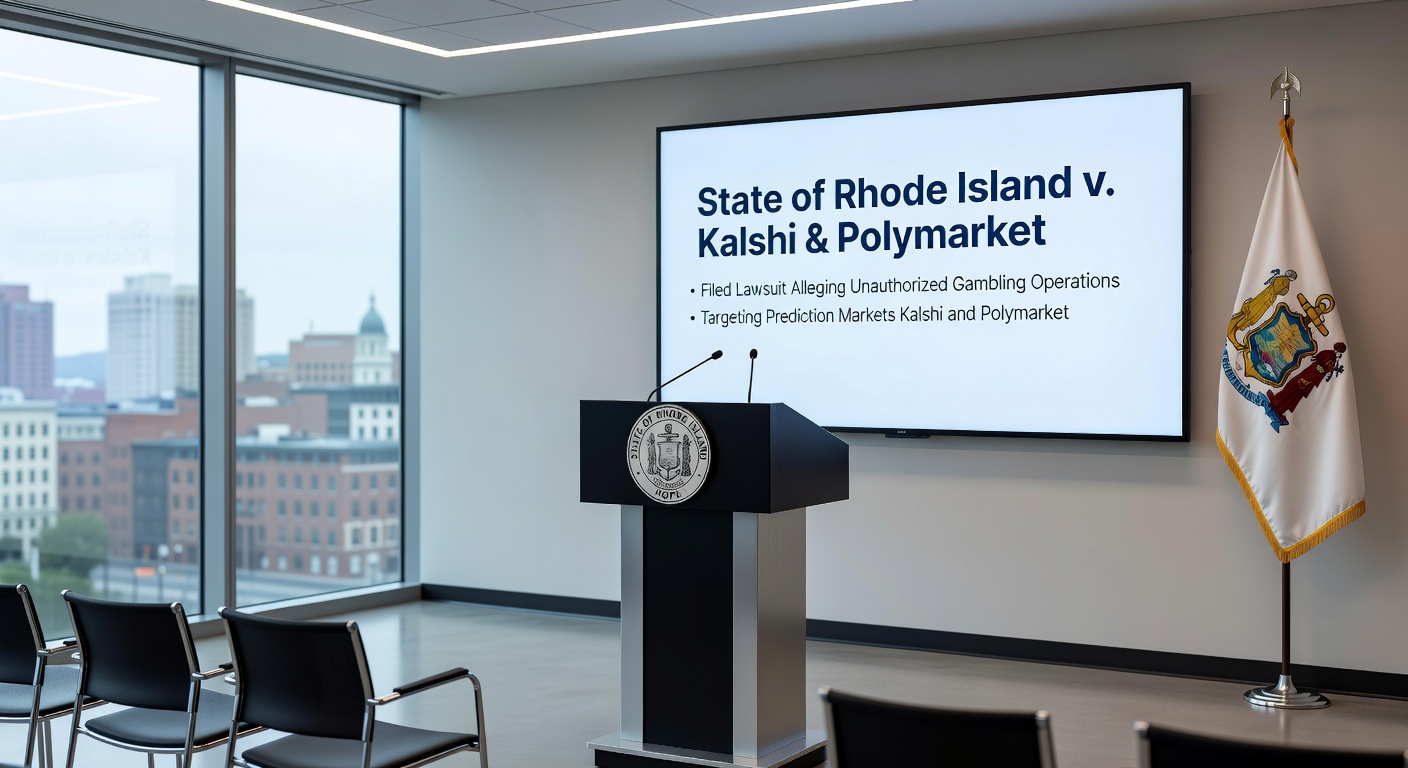
Attention shifted to the role of prediction markets such as Kalshi and Polymarket, with senators voicing worries that these platforms could expose younger users to financial risks and normalize high-stakes speculation on events that range from elections to sports results. Testimony included references to Minnesota’s recent decision to restrict certain prediction market activities, an example that illustrated how individual states are attempting to balance innovation against consumer protection priorities.
Representatives from the prediction market sector argued that their products operate under strict regulatory frameworks and offer educational tools designed to encourage responsible participation, but committee members questioned whether those measures sufficiently address the rapid pace at which new users, including minors, can access accounts through digital channels.
Economic Benefits Versus Addiction Risks
Throughout the hearing, participants weighed the documented economic contributions of the sports betting industry, including tax revenues and job creation in states that have legalized operations, against data on gambling addiction rates that continue to rise in several jurisdictions. Industry advocates presented figures showing increased state collections since legalization expanded, while public health experts cited studies linking expanded access to higher incidences of problem gambling among specific age groups.
Senators explored whether federal oversight could standardize protections across state lines without overriding the authority that individual legislatures currently hold over licensing and taxation. Several lawmakers emphasized that any national framework would need to respect existing state compacts and avoid creating conflicts that could slow enforcement or create loopholes for operators.
Calls for Coordinated Oversight
Industry officials acknowledged that fragmented regulations sometimes produce inconsistent rules from one state to the next, complicating compliance for companies that operate nationwide platforms. They suggested that targeted federal guidelines focused on cross-border issues might complement rather than replace state-level authority, particularly in areas such as data sharing on suspicious betting patterns and coordinated responses to tampering allegations.
Advocates for stricter controls pointed to the Minnesota ban as evidence that states can and do act independently when they perceive risks to residents, yet they also noted that such actions create a patchwork that leaves some markets more protected than others. Committee members indicated they would continue reviewing testimony and consider legislative options that address both integrity threats and consumer safeguards in the months ahead.
Conclusion
The May 20, 2026 hearing concluded with commitments from both sides to supply additional documentation and maintain ongoing dialogue as Congress evaluates potential next steps. Observers noted that the discussions reflected broader tensions between rapid industry growth and the need for consistent rules that protect sports integrity, state authority, and vulnerable populations while still allowing economic activity to proceed under clearer guardrails.